

February 8, 2023
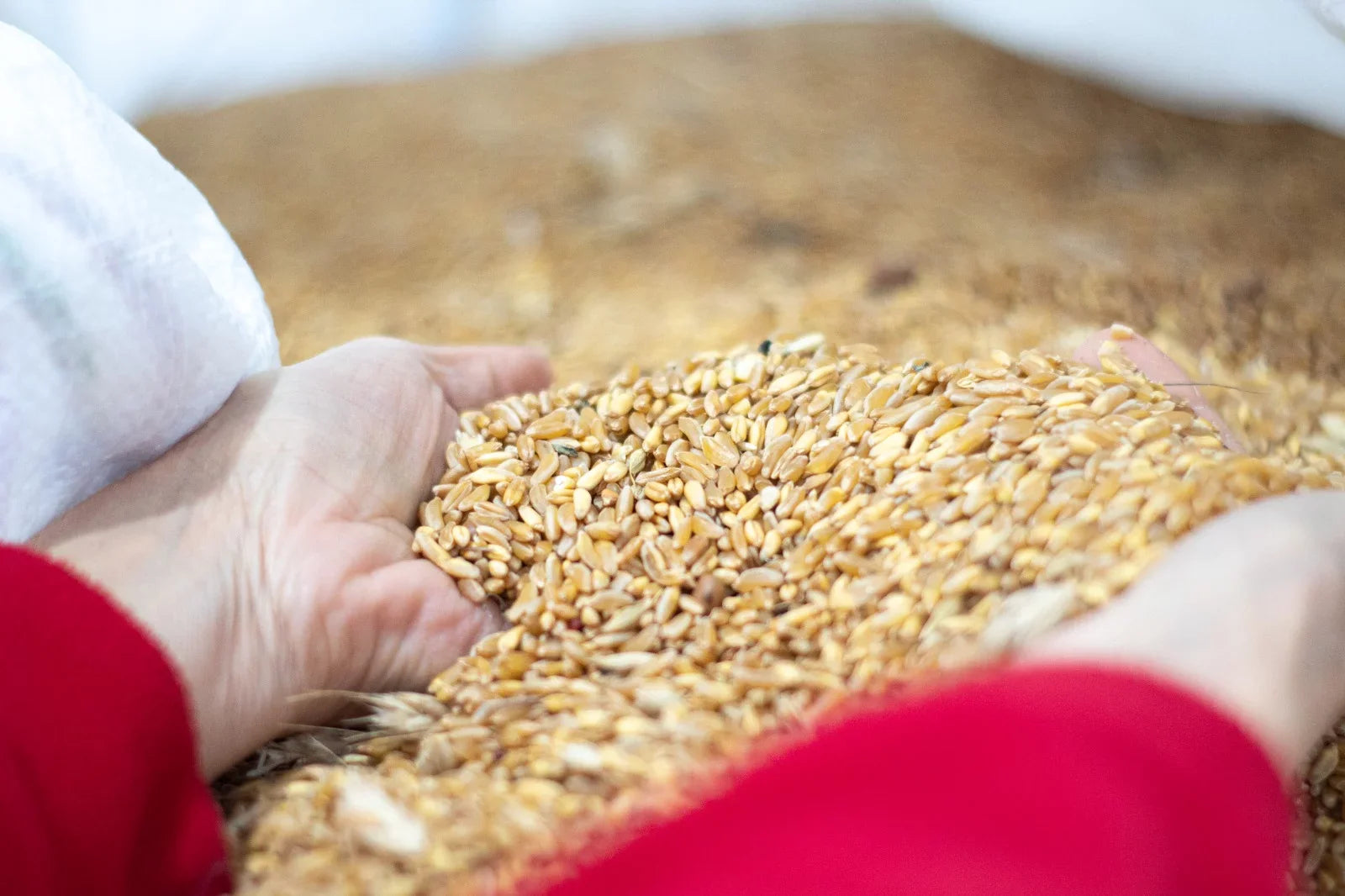
The history of human civilization is a history of food. The relationship with certain products has greatly influenced our habits, the social structure of our daily lives, the global economy, and socio-political geography. However, there is one ingredient that has had a particular impact on our world: wheat. The cultivation of wheat ultimately pushed early human societies toward more complex forms of organization: the first farmers developed canal systems to expand cultivation, built cities near wheat fields, and constructed walls to protect the year’s harvest. Wheat, therefore, came to symbolize fertility and abundance: if a country had wheat, it was automatically considered prosperous.
Throughout history, wheat has taken on different uses, adapting to the global economic trends and the shift from small-scale, primarily local cultivation to industrialized processes. This historical moment, which can be placed around the mid-20th century, is called the Green Revolution, the process that transformed agricultural production to meet the needs of the food industry and the growing demands of the market. Tired of zero-kilometer farming, the idea of globalized food production spread, indifferent to the needs of the land or its inhabitants. The Green Revolution brought many advantages but also multiple disadvantages: the heavy use of fertilizers and pesticides, loss of biodiversity, and standardization of flavors.
In this context, Sicily stands out as a guardian of a rich variety of native ancient wheats. The region, once called “the granary of Rome,” boasts 52 varieties of ancient wheats grown in different parts of the island. These wheats, such as Timilia, Russello, Perciasacchi, and Maiorca, are characterized by low gluten content, high protein value, and greater digestibility compared to modern varieties. Moreover, their cultivation respects the environment, without the use of pesticides or chemical fertilizers.
The rediscovery and promotion of Sicilian ancient wheats represent an opportunity to encourage sustainable agriculture, preserve biodiversity, and rediscover authentic flavors. Initiatives like those of Boniviri, which collaborate with small local producers, help keep this tradition alive and offer high-quality products that respect the environment and consumer health.