

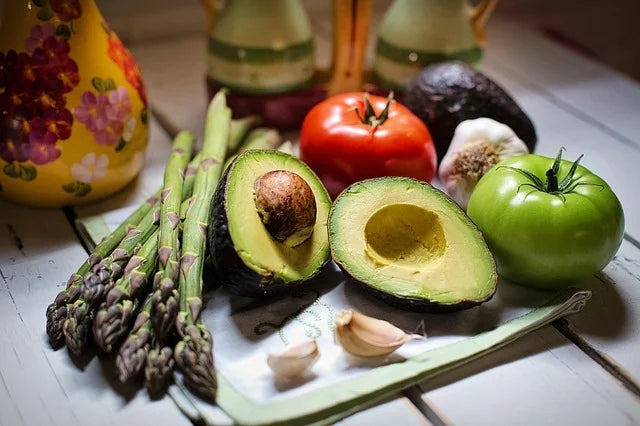
After vegetarians, vegans, and flexitarians, here is a new category of people particularly attentive to food choices: climatarian.
The term is actually not so new: it first appeared in a 2015 New York Times article as one of the most important words of the year related to the food world and, perhaps due to the growing awareness of the environmental impact of the food sector, it is becoming especially popular again these days,
But what does it mean to be climatarian? A climatarian is someone who aims to reverse climate change through their food choices. This means, for example, eating local products (to reduce transportation costs), limiting and possibly avoiding meat consumption (especially red meat), and using all parts of the product to reduce food waste.
This requires great attention to the properties of the food and a deep knowledge of the supply chain and production processes. The environmental impact of every step, from cultivation to packaging and from transport to disposal, must be taken into account.

Take avocado as an example, now a must-have in our diet. Despite its excellent properties, this fruit can have an extremely negative impact on the environment: following an increase in demand, plantations in South America have been converted into intensive monocultures, subjecting the land to increasing water stress (avocado cultivation requires large amounts of water) and leading to deforestation of large areas to make way for new plantations. Added to this is the impact in terms of CO2 emissions due to transport (a fruit coming from South America is not exactly zero-kilometer). Fortunately, it is possible to become climatarian without necessarily giving up this extraordinary product: in many areas of Sicily, avocado cultivation is spreading, using much more sustainable methods.
What do climatarians eat?
The first rule of the climatarian code is the elimination of red meat, whose production process has devastating effects both in terms of greenhouse gas emissions and natural resource consumption. White meat is less problematic from this point of view but should still be limited, as should fish. Other animal products such as eggs and dairy are allowed, but there are important rules to follow: they must come from outdoor farms where animals are treated according to certain standards and fed naturally.
The diet is therefore based on large amounts of fruit, vegetables, legumes, and cereals, always favoring zero-kilometer products from controlled supply chains and organic, avoiding plastic packaging where possible.
Another pillar of climatarians is the fight against food waste: large stocks of perishable products are avoided, and leftovers are reused in every possible way, for example by using fruit and vegetable peels.
Changing our diet is the best chance to win the fight against climate change
Data on the environmental impact of food products make us reflect deeply on the importance of consciously choosing what ends up on our tables:
- Greenhouse gas emissions from agricultural production have increased by 14% since 2000 and could increase by 58% by 2050 (1)
- The meat industry is responsible for 18% of global greenhouse gas emissions, more than the entire transport industry (2)
- According to the latest UN report, 931 million tons of food are wasted worldwide every year, equivalent to 17% of all produced (3)
Beyond identifying as climatarian or not, a more sustainable diet can really make a difference. This is also confirmed by the IPCC (Intergovernmental Panel on Climate Change), the UN’s scientific body on climate change. According to the latest report, worldwide adoption of a more sustainable, predominantly plant-based diet combined with waste reduction is the fastest and most effective way to mitigate the effects of climate change.
We need to adopt the mindset that every choice we make impacts the environment. If we truly are what we eat, we have the opportunity to be the generation that chose to save the planet, starting at the table.
Sources:
(1) Arcipowska, A., Mangan, E., Lyu, Y., & Waite, R. (2021). 5 Questions About Agricultural Emissions, Answered from https://www.wri.org/insights/5-questions-about-agricultural-emissions-answered
(2) Steinfeld, H., Food and Agriculture Organization of the United Nations., & Livestock, Environment and Development (Firm). (2006). Livestock's long shadow: Environmental issues and options. Rome: Food and Agriculture Organization of the United Nations.
(3) United Nations Environment Programme (2021). Food Waste Index Report 2021. Nairobi
Climatarian, who they are and what they eat - LifeGate. (2021) from https://www.lifegate.it/climatariani
IPCC, 2019: Climate Change and Land: an IPCC special report on climate change, desertification, land degradation, sustainable land management, food security, and greenhouse gas fluxes in terrestrial ecosystems