

Publication date: April 1, 2021
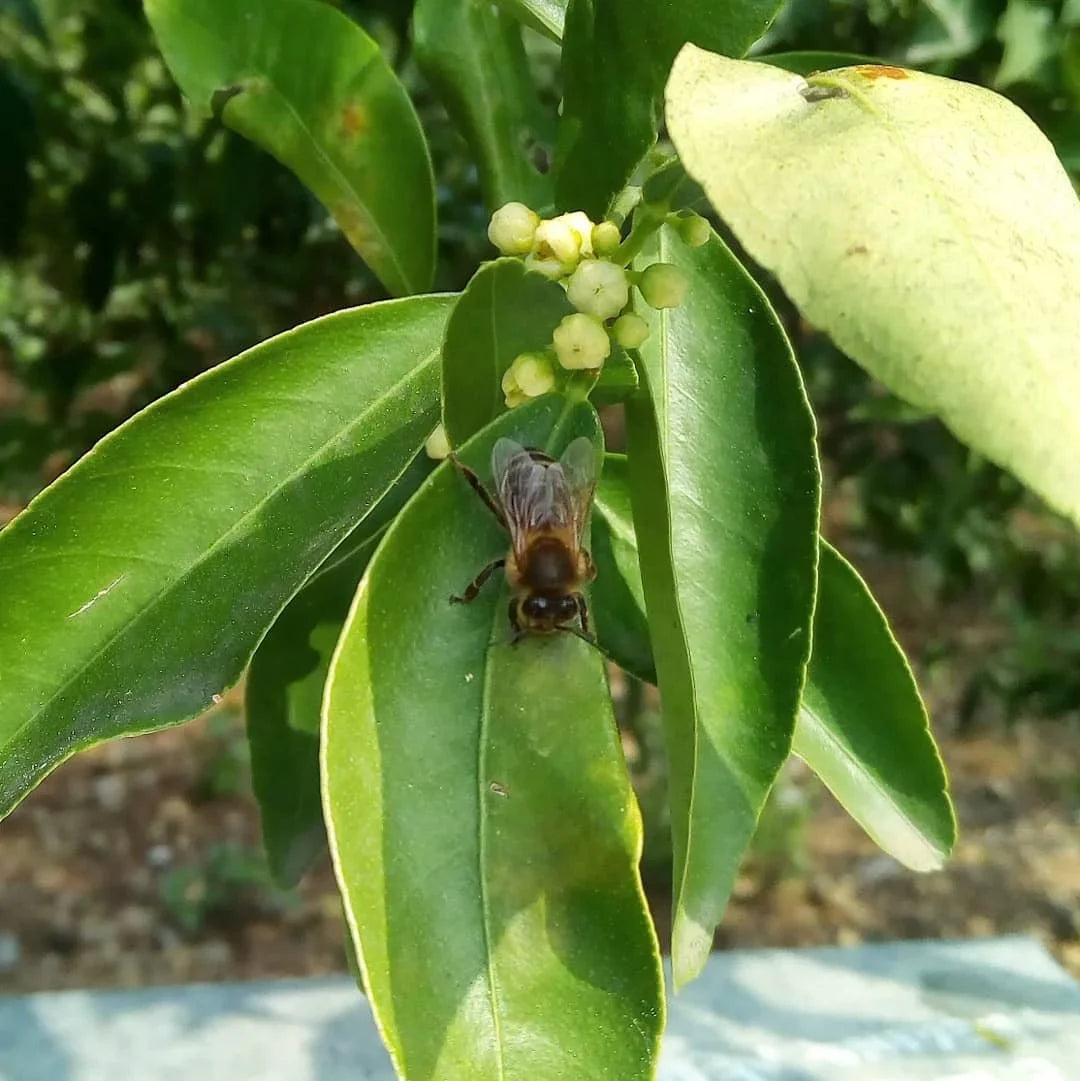
Not all bees are yellow and black: there are dark, gray, or even black bees, such as the Apis Mellifera Sicula, a Sicilian excellence and producer of rare winter honeys. Morphologically similar to African black bees but less aggressive, this subspecies was at risk of extinction in the 1970s when local beekeepers preferred to import Ligurian bees from northern Italy. Professor Pietro Genduso of the University of Palermo, together with his student Carlo Amodeo, started a conservation project by installing hives on islands such as Ustica, Filicudi, Alicudi, and Vulcano to maintain genetic purity.
Characterized by smaller wings, the Apis Mellifera Sicula withstands extreme temperatures and produces honey both in winter and summer above 40°C. It is known for its docility, so much so that beekeepers often do not use masks during honey harvesting. The honey produced has remarkable properties: it contains antioxidants up to ten times higher than average, 13 antibacterial substances, and four antifungal ones, making it a true natural rejuvenator with therapeutic properties. The biodiversity of Sicilian flora allows the production of over twenty types of monofloral honey.
The Slow Food Presidio was launched with Carlo Amodeo in 2008 to raise awareness about the risk of extinction of this native breed. Today, eight breeders are part of the Presidio, obtaining queens from Amodeo. An important success was the launch of the “Project for the reintroduction and conservation of the Apis mellifera siciliana subspecies at risk of extinction” in January 2012, funded by the Sicily Region and overseen by CRA-API of Bologna, in collaboration with the Universities of Catania and Palermo, the Zooprophylactic Institute of Sicily, Soat of Collesano, Apicoltura Amodeo, and Slow Food.
The project includes the search for new genetic lines to combat inbreeding, the establishment of mating stations in isolated locations on the island, and the evaluation of the performance of the Sicilian black bee compared to the Ligurian bee. It is hoped that this precious native species will thrive to repopulate the territory of the southern islands.